

Relationships
Finding out your partner is cheating can feel like the ground just disappeared beneath you.
It’s not just anger.
It’s shock.
It’s humiliation.
It’s grief.
And if it’s with someone you know, the betrayal cuts even deeper. This isn’t just about sex or secrecy. It’s about trust — deep trust — being broken. If you’ve been together for years, built a life, shared children, shared families, shared routines, the pain can feel unbearable.
First, take a breath.
You are not crazy for feeling shattered. You are not weak. And you are not alone. Infidelity has existed for decades. You are not the first person this has happened to, and you will not be the last.
What matters now is what you do next.
1. Pause Before You React
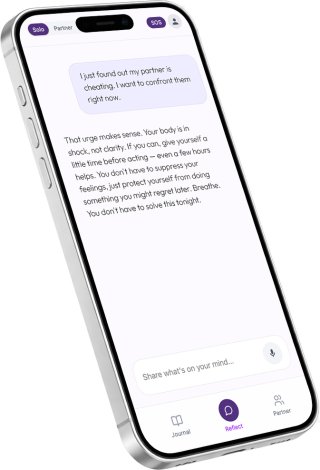
The urge to confront immediately, to demand answers, to call someone, to expose everything — it can be overwhelming.
But in the first 24–72 hours, your nervous system is in shock. You are not thinking from clarity. You are thinking from trauma.
Before making irreversible decisions:
- Don’t send explosive messages.
- Don’t post on social media.
- Don’t involve extended family immediately.
- Don’t make legal or financial threats in anger.
You can confront. You likely should, but not from a place where you might regret how you did it.
Create a moment of stillness first.
2. Talk to Someone Safe — Shame Is Not Yours to Carry
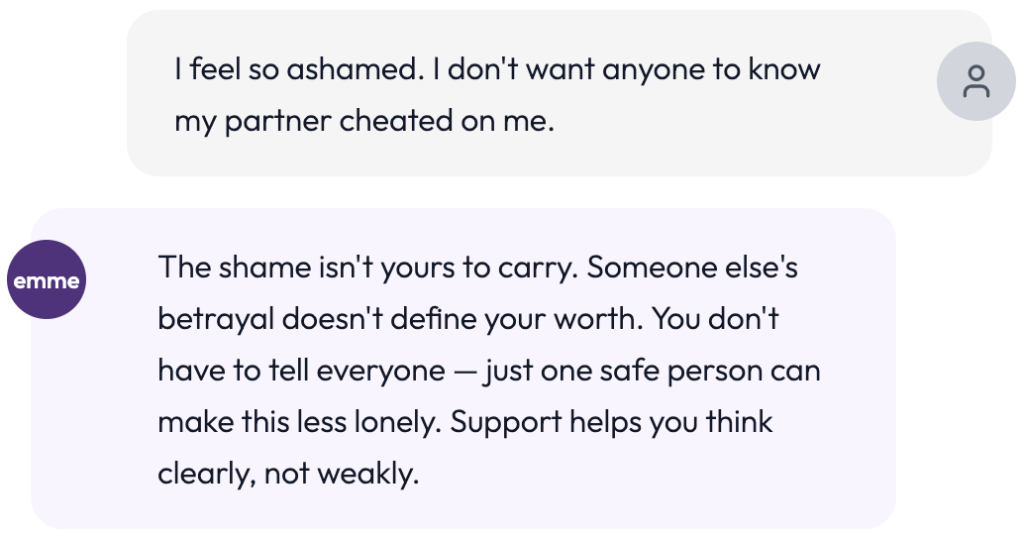
Many people hesitate to share because they feel ashamed.
“What will people think?”
“Does this mean I wasn’t enough?”
“Will this reflect poorly on me?”
Let’s be clear: someone cheating is not proof of your inadequacy.
Infidelity is a decision made by the person who cheated. It reflects their coping style, their boundaries, their emotional maturity — not your worth.
You do need to talk. But choose wisely.
Good options:
- A trusted friend who won’t inflame the situation.
- A therapist or counselor.
- A neutral emotional support platform.
Avoid:
- People who will immediately demand revenge.
- Family members who may permanently damage dynamics before you’re ready.
You need support (not escalation).

3. Don’t Go Down the Rabbit Hole
(Even If You Want To)
You will want answers.
How long has this been going on?
Was it physical? Emotional? Both?
Was I being lied to every day?
Was I the only one who didn’t know?
The truth is: some information helps.
But obsessive investigation often deepens trauma.
Scrolling through messages, replaying timelines, stalking the third person — it keeps your nervous system in crisis mode.
Ask yourself:
- Will knowing this change my next decision?
- Or will it only intensify the pain?
- Clarity is useful. Compulsion is not.
4. Think Before You Confront
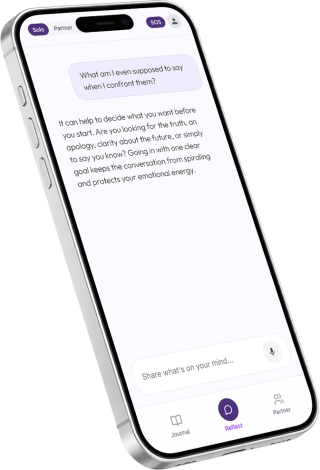
Confrontation can bring clarity — but it can also bring denial, blame-shifting, or gaslighting.
Before you initiate the conversation, ask yourself:
- What do I want from this conversation?
- The truth?
- An apology?
- To understand if reconciliation is possible?
- To say I know?
- Am I emotionally regulated enough to handle possible lies or defensiveness?
- If they deny it, what will I do?
Sometimes, confronting too early only makes someone more careful about hiding the relationship.
Go into it steady. Not explosive.
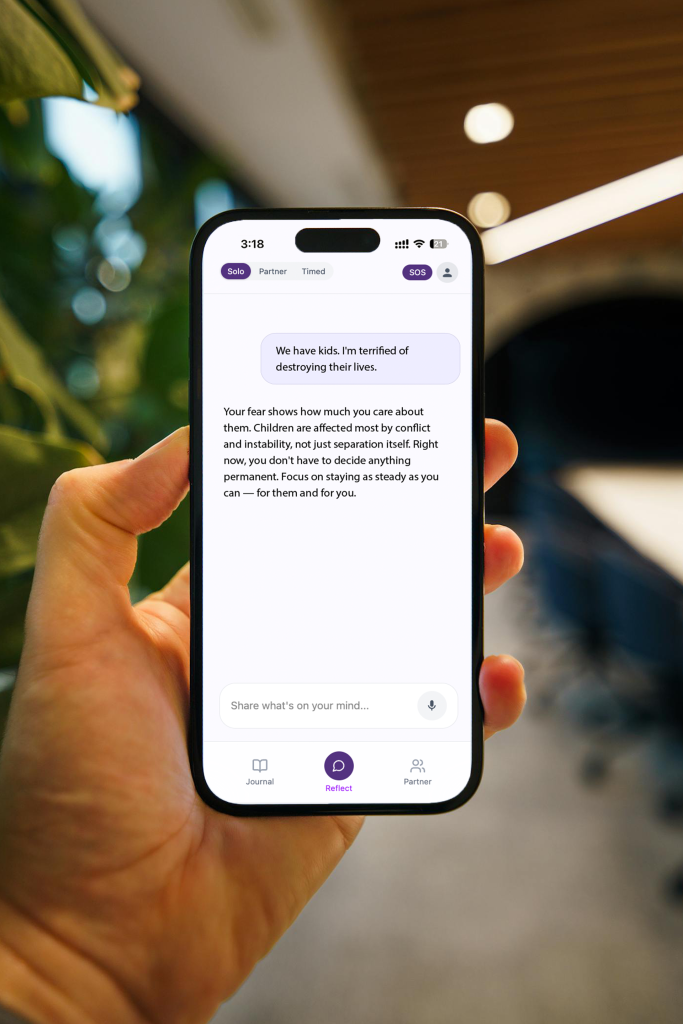
5. If There Are Children or Extended Family
This makes everything heavier.
You may fear:
- Breaking the family.
- Social judgment.
- Financial instability.
- The emotional impact on your kids.
Do not rush a separation or reconciliation decision purely out of fear.
Children benefit most from:
- Emotional stability.
- Respectful communication between parents.
- Reduced conflict — not silent resentment.
Right now, your priority is emotional clarity — not public narrative control.
6. Separate Three Questions
When someone cheats, three different decisions get tangled:
- Can I emotionally survive this?
- Can I trust them again?
- Do I want to stay?
These are not the same question.
Some couples rebuild. Some separate. Both are valid outcomes.
What matters is:
- Is there remorse?
- Is there accountability?
- Is there willingness to rebuild transparency?
- Are you staying from choice or from fear?
You don’t have to decide immediately.

7. Protect Your Stability
Infidelity isn’t just betrayal. It’s grief.
You are grieving:
- The relationship you thought you had.
- The version of your partner you believed in.
- The certainty of your future.
Grief comes in waves:
- Rage
- Sadness
- Numbness
- Hope
- Confusion
All of it is normal.
8. This Is Grief
In the days following discovery:
- Eat, even if you don’t feel like it.
- Sleep, even if it’s broken.
- Avoid excessive alcohol.
- Avoid dramatic ultimatums.
- Document important financial information quietly if needed.
Shock clouds judgment. Stability protects you.
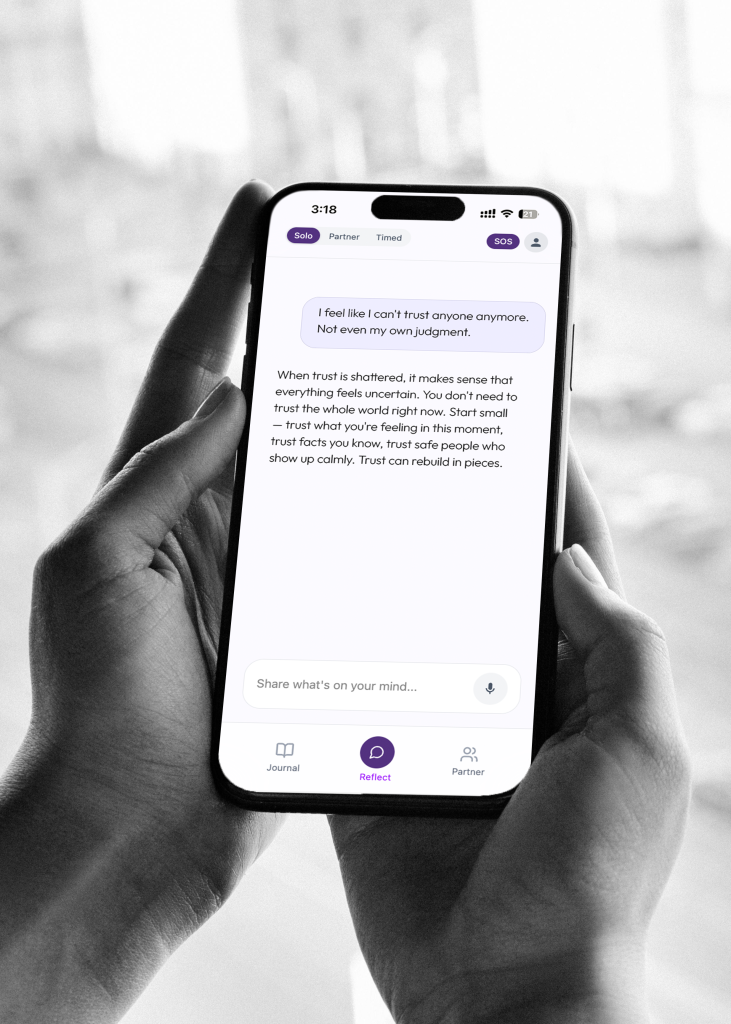
9. Who Can You Trust Now?
It’s common to feel like trust itself has collapsed.
Start small:
- Trust your immediate emotional experience.
- Trust your body’s reactions.
- Trust facts, not stories you create in your head.
You don’t need to trust the entire world again today.
Just take one steady step.
10. Most Important: This Is Not a Reflection of Your Worth
People cheat for many reasons:
- Emotional immaturity
- Avoidance of conflict
- Need for validation
- Opportunity without boundaries
- Personal dissatisfaction
Rarely is it because their partner was “not enough.”
Do not internalize someone else’s choices as your identity.
What To Do Right Now
Pause.
Breathe.
Don’t explode publicly.
Talk to one safe person.
Avoid obsessive digging.
Give yourself time before permanent decisions.